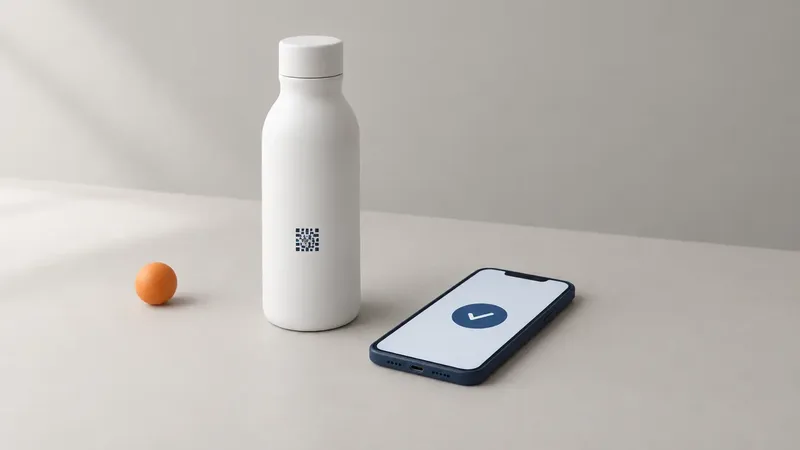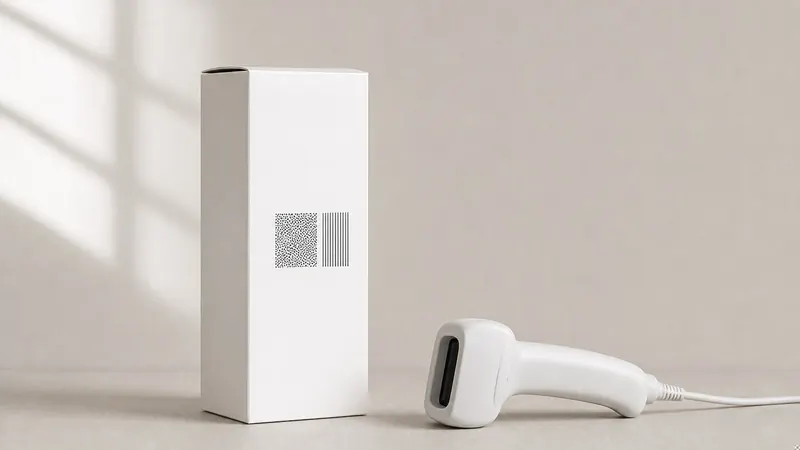

An invisible signature makes it possible to check with a smartphone, when doubt arises, whether a pack is one you had printed. Every visible security mark is also open to copying; that is why the signature cannot be seen and is read only with the app. The design does not change, and the buyer keeps seeing the product exactly as they see it today.
What can the brand owner now prove?
A scan shows whether the packaging came from a signed production run. The signature is copy-resistant; copied packaging that does not carry it fails verification. A counterfeit claim then no longer depends on comparing two packs by eye or on an expert's impression. What the scan tells you is limited to the packaging; when the contents need analysing, a laboratory examination is done separately.
Who can check?
No special device is needed; a smartphone is enough. So checking does not stay with the quality team but spreads to the points the product passes through:
- the employee receiving goods at the warehouse
- the dealer or field representative at the point of sale
- the customer service team investigating a complaint
- the customer who bought the product
When does a scan become evidence?
A scan can be shown to someone else when it leaves a record answering who, where and when. If the result stays only on the reader's screen, it tells you the product is genuine but cannot be carried into a complaint file, an exchange with a dealer or a legal application. That is why storing scans with date and location matters as much as the signature itself. As records build up, they also show in which regions and channels the products failing verification are concentrated.
What does the signature not do?
Because it is invisible, the signature does not deter the consumer; nobody can spot a fake on the shelf by looking. On its own, it also does not say which batch the product came from or which channel it passed through. If that information is needed, a numbered label at unit or batch level and a record of changes of hands are added alongside the signature. Day-to-day checks use the signature; detailed review in a dispute uses the record.
How the signature is worked into the packaging, and what that means for printing, is covered in the post on the Grafex blog.