Imitation of labels and logos
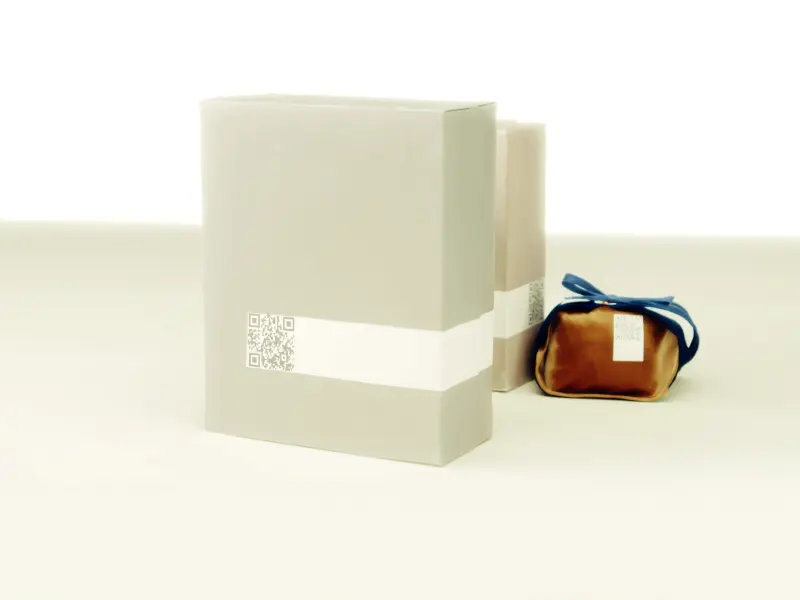
Brand labels, hang tags and logo printing are easy to copy; counterfeits can be offered for sale with labels very close to the original. A consumer, and even store staff, may not be able to tell the difference by eye.

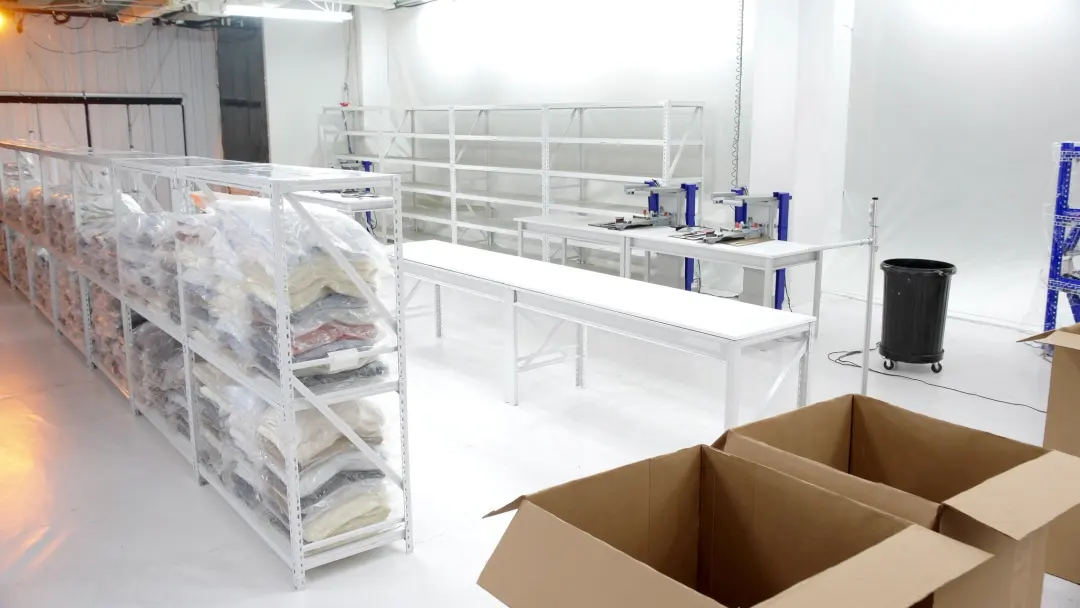
Label imitation, counterfeits on marketplaces and return fraud: the shared problems of apparel brands.
Industry overview
Textile and apparel is among the areas where counterfeits are seen most. According to the 2025 OECD and EUIPO report, the counterfeit categories most frequently found in customs seizure data are clothing, footwear and accessories such as bags. Because brand value comes from the logo, the label and the design, these elements are easy to copy. A counterfeit usually reaches the consumer through marketplaces and social media, using photographs of the original and a discounted price.
This makes provable authenticity even more important for Turkish brands in the domestic market and in exports. At the same time, the EU is preparing to introduce a digital product passport for clothing; information on product identity, origin and the relevant economic operators is expected to be attached to the product. Records kept in order from contract manufacturing through to the store gain value both in the fight against counterfeiting and in preparing for these developments.

Figures
Share of sales lost by the sector in the EU because of counterfeit clothing, footwear and accessories
Source: EUIPO, The economic cost of IPR infringement in the clothing, footwear and accessories sector, 2015Estimated annual revenue lost by legitimate manufacturers in the EU, according to the same study
Source: EUIPO, The economic cost of IPR infringement in the clothing, footwear and accessories sector, 2015Estimated share of counterfeit and pirated goods in EU imports in 2021
Source: OECD and EUIPO, Mapping Global Trade in Fakes 2025, 2025Risks
Every industry has its own risk profile; solutions are configured around those risks.
Brand labels, hang tags and logo printing are easy to copy; counterfeits can be offered for sale with labels very close to the original. A consumer, and even store staff, may not be able to tell the difference by eye.
In contract manufacturing, units produced above the order quantity or rejected by quality control can reach the market through unrecorded routes. Because these carry genuine fabric and labels, they are the hardest group to tell apart.
In listings opened with original campaign images, counterfeits are sold at a discount. Removed listings can reappear from different accounts within a short time.
Products allocated to outlets, to a particular country or to a wholesale channel can go on sale in other markets and at unauthorised points. This damages pricing policy and dealer relationships.
Our approach
Grafex, Tagvex and Authex can be used together or separately in any industry.

 Smart packaging
An invisible signature is worked into the packaging; a copy cannot pass verification.
Grafex sitesi
Smart packaging
An invisible signature is worked into the packaging; a copy cannot pass verification.
Grafex sitesi
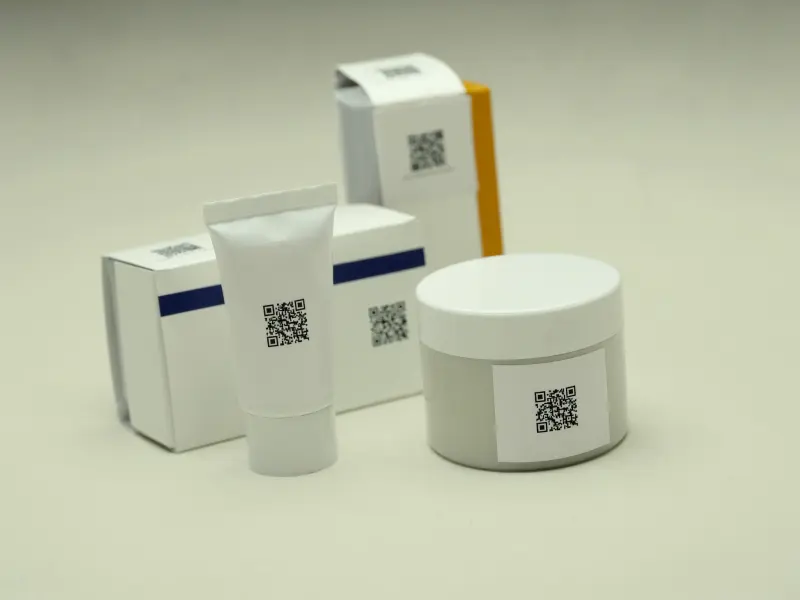
The invisible signature is worked into the existing design of the brand label, the hang tag or the product box and printed on your existing line; the look of the label does not change. A store assistant, a dealer or a customer scans the label with the mobile app and confirms the product is genuine.

 Secure labels
A unique number for every product; every step from production to customer is recorded.
Tagvex sitesi
Secure labels
A unique number for every product; every step from production to customer is recorded.
Tagvex sitesi
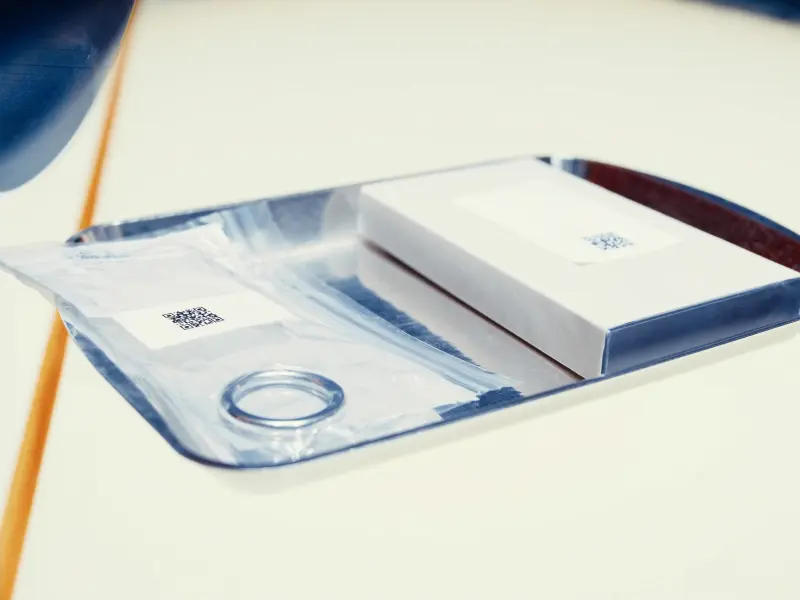
Every item or case carries a unique number; receipt from the contract manufacturer and deliveries to the warehouse, the dealer and the store are recorded. A product with no entry in the order record being scanned on the market makes off-line or copied goods visible. Repeated or unexpected scans are also flagged.

 Digital monitoring
Brand risks in digital channels are detected, prioritised and turned into action with evidence.
Authex sitesi
Digital monitoring
Brand risks in digital channels are detected, prioritised and turned into action with evidence.
Authex sitesi
Marketplaces, social media shops, digital advertising, lookalike domain names and app stores are monitored; counterfeit listings using the brand's logo and campaign images are documented with their date and content. Takedown requests are filed and followed to conclusion; whether removed content reappears is also monitored.
Example scenario
Labels and hang tags carrying the invisible signature are printed on the existing line; Tagvex numbers are assigned to match the order quantity.
The brand receives cases from the contract manufacturer by scanning them; products are recorded on entry to the warehouse and on dispatch to stores.
Store staff scan incoming products with the mobile app and confirm that they are genuine and came from the right shipment.
The customer scans the label of the item bought in store or online with their phone and sees that the product is genuine.
Regulation
The main rules that apply in your industry, or will soon take effect.
In force since 2015, the regulation requires textile products to be labelled in a durable, easily legible, visible and accessible way that states the fibre composition. Because the label carries the statutory information about the product, protecting its authenticity also becomes important.
Apparel is among the priority product groups for ecodesign requirements and the digital product passport in the ESPR 2025-2030 Working Plan; the delegated regulation for textiles is planned for adoption in the last quarter of 2027. The passport is expected to be able to carry information on product identity, fibre composition, origin and the relevant economic operators, accessible through a data carrier such as a QR code on the product.
This section is for information only; rely on official sources for current obligations.
FAQ
No. The invisible signature is worked into the existing label and hang tag design and printed on your existing line. The look of the label does not change.
Because numbers are assigned to match the order quantity and scanned on receipt, the delivered quantity can be compared against the records. Products with no record, or scanned somewhere unexpected, are flagged separately.
The detailed rules for textiles have not been adopted yet; the European Commission plans to adopt the relevant regulation in the last quarter of 2027. Keeping records of products, batches and distribution actors in order today can support preparation for these obligations; Spectrace is not on its own a compliance solution.
Authex detects listings using the brand's logo or images and documents them with their date and content. Takedown requests are sent to the relevant platform and followed to conclusion; whether removed content reappears is also monitored.
The customer scans the label with the mobile app on their smartphone and sees the result immediately. No special device is needed; store staff, dealers and auditors can do the same.
Blog
What the EU Digital Product Passport is, which sectors come first, and what Turkish manufacturers exporting to the EU should prepare for today.
8 min read
How the grey market and channel diversion arise, why they harm brands, and how traceability data makes those movements visible.
8 min read
Collecting evidence, filing notices and following removals against counterfeit listings on marketplaces and social media, and dealing with repeat sellers.
7 min readOther industries
Request a meeting
In the first meeting we review your product, sales channels and the risks you face, then recommend a verification method that fits.
Request a meeting