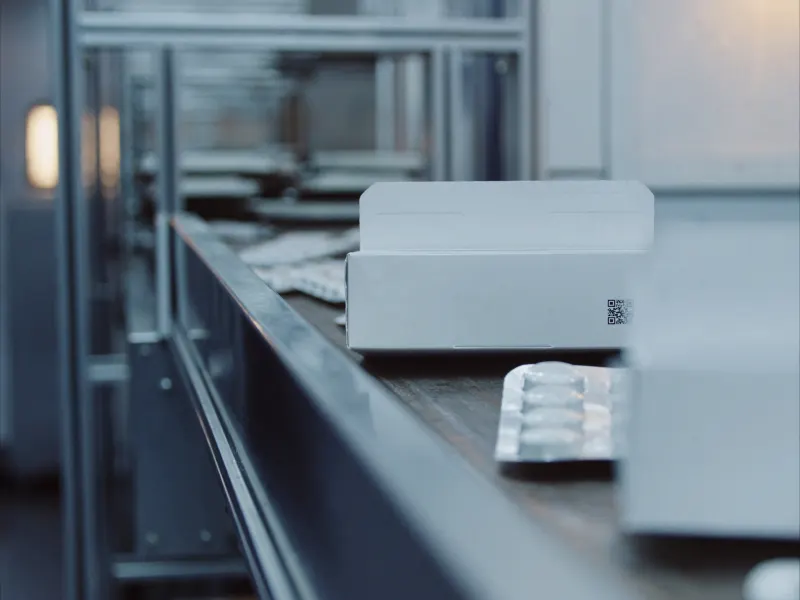
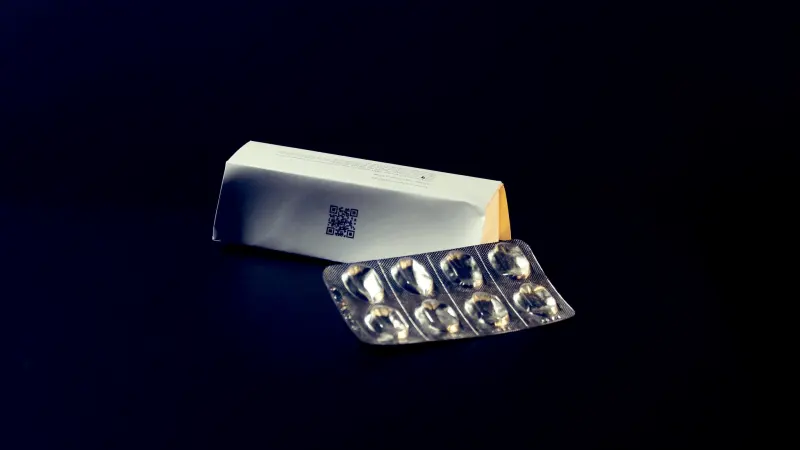
A verifiable chain from source to patient in pharmaceuticals.

In pharmaceutical products it is vital that the source and the distribution chain can be verified.

Industry overview

Why trust matters in pharmaceuticals.

In pharmaceuticals, authenticity is directly a matter of patient safety. According to the World Health Organization, at least one in ten medicines in low- and middle-income countries is substandard or falsified, and these products are often sold through online or unregistered channels. A falsified medicine deliberately misrepresents its identity, composition or source; it can leave treatment ineffective and put the patient's health at risk. That is why having every change of hands in the supply chain on record is a basic expectation in this sector.

In Türkiye, the Pharmaceutical Track and Trace System (İTS), running since 2010, makes medicine packs unique with a data matrix code and records their movements; in the EU, the Falsified Medicines Directive requires a unique identifier and an anti-tampering device on the outer packaging. While these statutory systems continue unchanged, pharmaceutical companies may also need to monitor distribution in export markets, the authenticity of the outer carton and how their brand is used in online channels. Spectrace provides a layer of evidence and records that works alongside the statutory systems.

Figures

The scale of the counterfeiting risk.

1 in 10

Minimum share of medicines that are substandard or falsified in low- and middle-income countries

Source: World Health Organization, Substandard and falsified medical products fact sheet, 2024
$30.5 billion

Estimated annual spending by countries on substandard and falsified medical products

Source: World Health Organization, Substandard and falsified medical products fact sheet, 2024
4.4%

Share of sales lost by the sector in the EU because of falsified medicines (around €10 billion a year)

Source: EUIPO, The economic cost of IPR infringement in the pharmaceutical industry, 2016

Risks

Risks faced in pharmaceuticals.

Every industry has its own risk profile; solutions are configured around those risks.

Falsified medicine reaching the patient

A product with no active ingredient or the wrong composition can leave treatment ineffective and put the patient's health at risk. When the outer packaging is printed very close to the original, a falsified product becomes hard to spot.

Unauthorised online sales

The World Health Organization notes that online sales on unauthorised sites make the problem worse. Sites and social media accounts using the brand name and carton images can broker uncontrolled sales.

Counterfeiting in export markets

Products sent abroad can be counterfeited in markets where the tracking infrastructure is different or absent. In those markets an additional verification tool may be needed to show the pharmacist and the patient that the carton is genuine.

Parallel trade and channel diversion

Products allocated to a particular country or tender can be diverted to other markets. This weakens control over storage conditions and the distribution chain.

Our approach

Brand protection at every layer.

Grafex, Tagvex and Authex can be used together or separately in any industry.

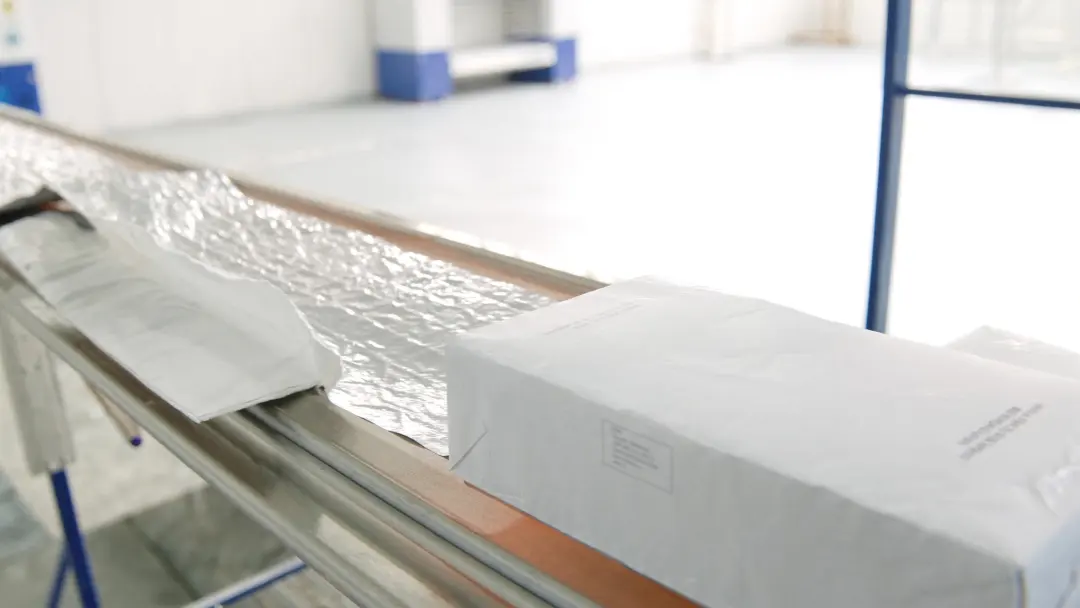
A band of light across the carton reveals the invisible fine pattern inside the print area Grafex Smart packaging An invisible signature is worked into the packaging; a copy cannot pass verification. Grafex sitesi

The invisible signature is worked into the existing design of the outer carton and printed on your existing line; the İTS data matrix code and the statutory packaging information stay exactly as they are. A pharmacist, a distributor, a field team member or a patient can scan the carton with the mobile app and confirm that the packaging is the company's own print.

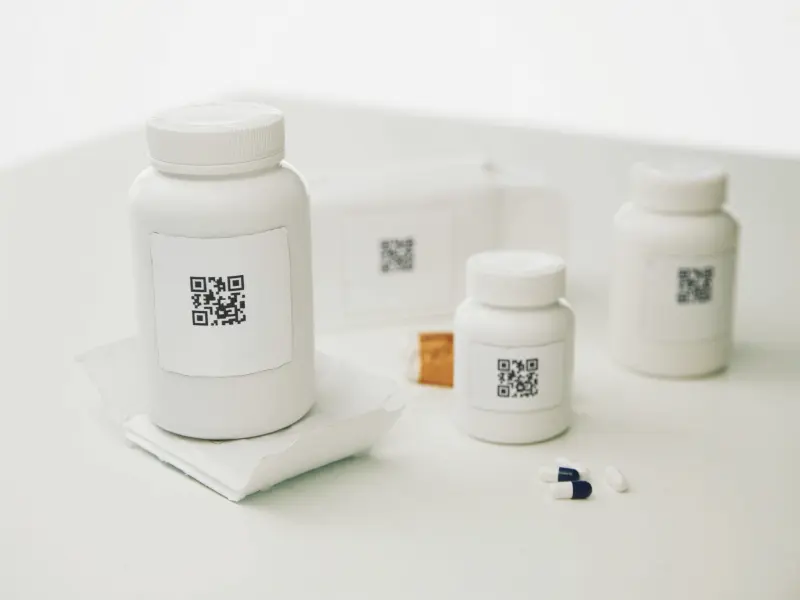
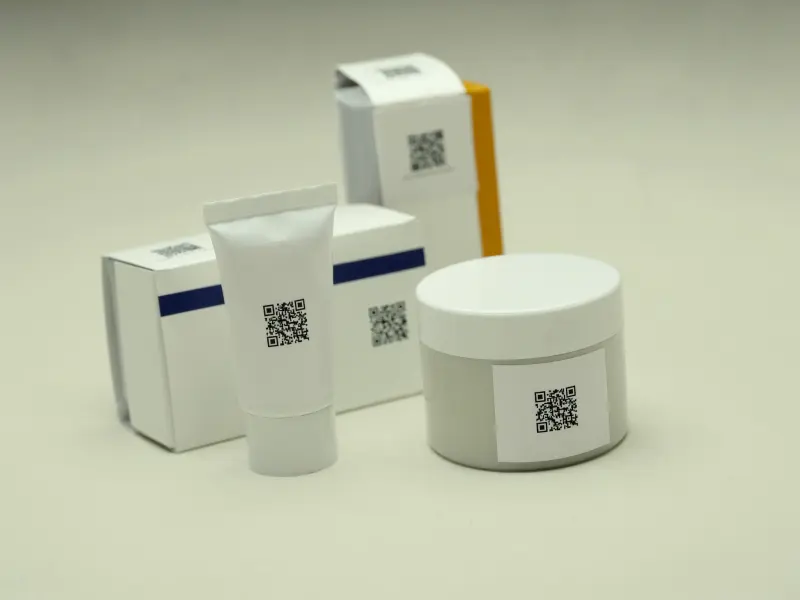
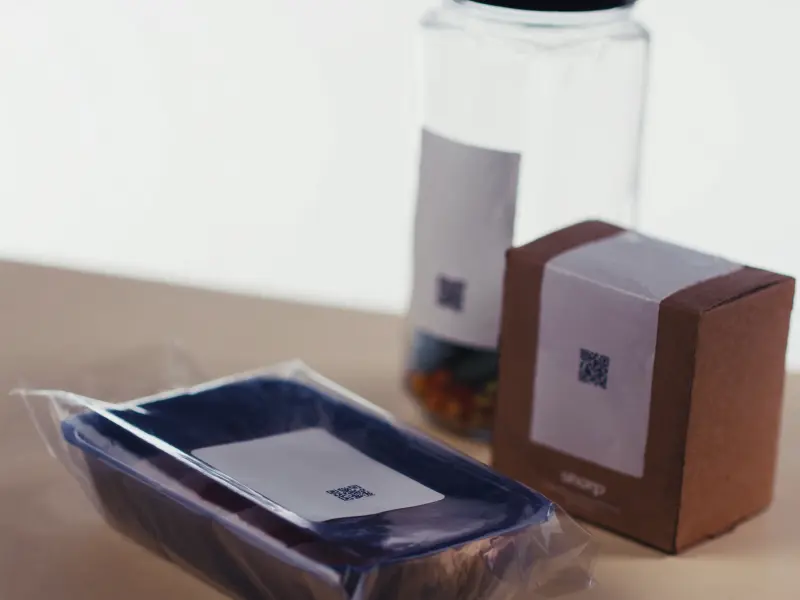
Three identical cartons in a row, each label carrying a different data matrix code Tagvex Secure labels A unique number for every product; every step from production to customer is recorded. Tagvex sitesi

It does not replace the statutory data matrix code; it provides an additional layer of records at batch or unit level, particularly in export markets and for sample products. Line exit and deliveries to the warehouse, the distributor and the pharmacy are recorded. Unexpected or repeated scans are flagged as possible duplicate codes.

Flagged listings highlighted in a monitored grid Authex Digital monitoring Brand risks in digital channels are detected, prioritised and turned into action with evidence. Authex sitesi

Online sales sites, marketplace listings, social media accounts, digital advertising, domain names and app store records using the brand or product name without authorisation are monitored. Detections are documented with their date and content. Takedown requests are filed and followed to conclusion; whether removed content reappears is also monitored.

Example scenario

A product’s journey from production to verification.

  1. Packaging line

    The outer carton is printed with the invisible signature on the existing line; alongside the statutory data matrix code, a Tagvex number is assigned to export batches.

  2. Export warehouse and distributor

    Cases are scanned on leaving the warehouse and on delivery to the distributor in the destination country; which batch went to which market is recorded.

  3. Goods-in at the pharmacy

    The pharmacist in the destination market scans the delivered carton with the mobile app and sees that it is genuine and came through the right channel.

  4. Verification by the patient

    The patient or a relative scans the carton with their phone. Meanwhile Authex continues to monitor unauthorised online sales of the same product.

Regulation

Regulations that bear on traceability.

The main rules that apply in your industry, or will soon take effect.

TR

Pharmaceutical Track and Trace System (İTS)

Established by the Ministry of Health in 2010, İTS makes medicine units unique with a data matrix code and records production, import, export, purchase and sale movements with location and time information. Citizens can also check a medicine through the mobile app and online enquiry services.

Official source
EU

Falsified Medicines Directive 2011/62/EU and Delegated Regulation (EU) 2016/161

Requires a unique identifier and an anti-tampering device on the outer packaging of medicines; the detailed rules on these safety features have applied since 9 February 2019. The directive also introduces a common EU logo for legal online pharmacies and strengthened record-keeping obligations for wholesale distributors.

Official source

This section is for information only; rely on official sources for current obligations.

FAQ

Questions about pharmaceuticals

Does Spectrace replace İTS or the EU safety features?

No. The İTS data matrix code and the EU's unique identifier and anti-tampering device are legal obligations and continue to apply unchanged. Spectrace is an additional layer alongside those systems that proves the authenticity of the packaging and keeps the brand owner's own distribution records.

Do we need to change the packaging design or the statutory information?

The invisible signature is worked into the existing design and printed on your existing line; the look of the carton and the placement of statutory information do not change. Assessing any change to packaging from a marketing-authorisation perspective remains the responsibility of your regulatory affairs team.

What does it add in export markets?

In markets with different tracking infrastructures, the pharmacist, the distributor and the patient can confirm the carton is genuine with the same mobile app. Tagvex records show which batch was sent to which distributor and country.

Who can carry out a verification?

Company staff, distributors, pharmacists, patients and auditors can verify with the mobile app installed on a smartphone. No special reader device is needed.

What is done about unauthorised sales sites using our brand?

Authex detects these sites, listings and accounts and documents them with their date and content. Takedown requests are sent to the relevant platforms and domain providers and followed to conclusion; whether removed content reappears is also monitored.

Request a meeting

The right solution for your product follows from a needs analysis.

In the first meeting we review your product, sales channels and the risks you face, then recommend a verification method that fits.

Request a meeting