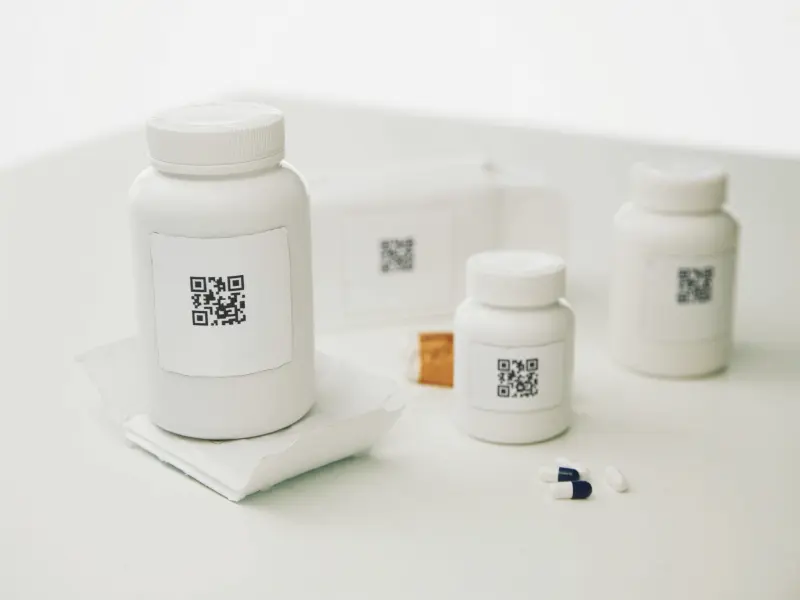
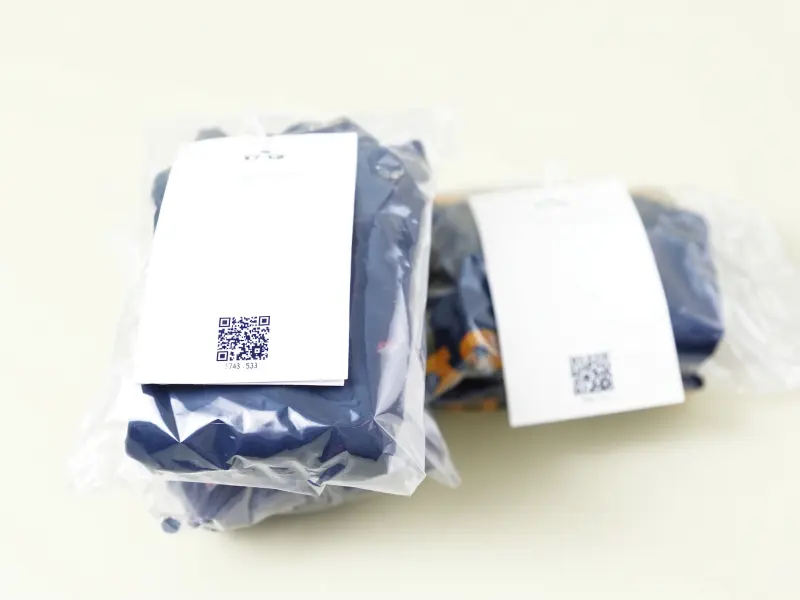
Proof of the genuine product in cosmetics.

Counterfeit packaging, unauthorised online sales and channel diversion: the risks cosmetics brands meet most often.

Industry overview

Why trust matters in cosmetics and personal care.

Cosmetics and personal care products are applied directly to the skin, hair and mouth, so knowing their contents and the conditions they were made in matters for consumer health. High-value products such as perfume, make-up and skincare are among the groups counterfeiters target most often, because their packaging is easy to copy. A counterfeit may be indistinguishable from the original on the shelf; the problem is usually noticed only after the product has been used, through a skin reaction or a consumer complaint.

The spread of sales channels makes the risk larger. The same product can be found in a store, a pharmacy, on marketplaces and on social media accounts at different prices, and it is not always clear to the consumer which channel is authorised. Being able to show which batch a product came from, which distributor it was delivered to and where it went on sale gives a brand firm ground both in product safety investigations and in action against unauthorised sellers. And being able to verify authenticity in a few seconds brings that confidence to the point of sale.

Figures

The scale of the counterfeiting risk.

7.8%

Share of sales lost by the cosmetics and personal care sector in the EU because of counterfeits

Source: EUIPO, The economic cost of IPR infringement in the cosmetics and personal care sector, 2015
€4.7 billion

Estimated annual revenue lost by legitimate manufacturers in the EU, according to the same study

Source: EUIPO, The economic cost of IPR infringement in the cosmetics and personal care sector, 2015
4.7%

Estimated share of counterfeit and pirated goods in EU imports in 2021

Source: OECD and EUIPO, Mapping Global Trade in Fakes 2025, 2025

Risks

Risks faced in cosmetics and personal care.

Every industry has its own risk profile; solutions are configured around those risks.

Exact copies of the packaging

Boxes, bottles and label printing can be copied quickly with today's printing capabilities. A consumer, and even sales staff, may not be able to tell a counterfeit on the shelf by eye. Complaints caused by these products, whose contents and place of manufacture are unknown, are directed at the original brand.

Refilled packaging

Used original perfume and skincare bottles can be collected, filled with different contents and put back on sale. Because the bottle and cap are genuine, the product looks flawless. This affects both consumer health and brand reputation directly.

Marketplace and social media listings

Discounted listings using images of the original product are used to sell counterfeits or products past their shelf life. When a listing is removed, new ones can appear from different accounts within a short time.

Channel diversion and parallel sales

Products allocated to a particular market, pharmacy or professional channel can go on sale in other regions and at unauthorised points. This disrupts pricing policy and removes any control over the conditions in which the product is stored.

Our approach

Brand protection at every layer.

Grafex, Tagvex and Authex can be used together or separately in any industry.

A band of light across the carton reveals the invisible fine pattern inside the print area Grafex Smart packaging An invisible signature is worked into the packaging; a copy cannot pass verification. Grafex sitesi

The invisible signature is worked into the existing design of the box, the bottle label or the tube, and the packaging is printed on your existing line; how the product looks on the shelf does not change. A store or pharmacy assistant, a dealer or a consumer scans the packaging with the mobile app and sees whether the product is genuine. Because an exact copy of the packaging does not carry this signature, it separates out during verification.

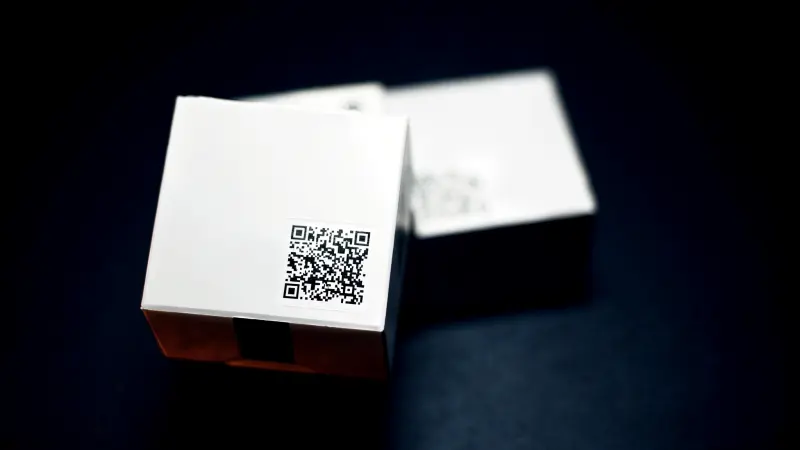
Three identical cartons in a row, each label carrying a different data matrix code Tagvex Secure labels A unique number for every product; every step from production to customer is recorded. Tagvex sitesi

Every batch or every unit carries a unique number; the product's exit from the line, entry to the warehouse and delivery to the distributor and the store are recorded. That makes it possible to see from the records when a product allocated to a particular region or channel goes on sale somewhere else. A duplicated code becomes visible when it is scanned in an unexpected location or scanned repeatedly.

Flagged listings highlighted in a monitored grid Authex Digital monitoring Brand risks in digital channels are detected, prioritised and turned into action with evidence. Authex sitesi

Marketplaces, social media accounts, digital advertising, domain names and app stores are monitored for your brand name. Counterfeit or unauthorised listings using the original images are documented with their date and content. Takedown requests are filed and followed to conclusion; whether removed content reappears is also monitored.

Example scenario

A product’s journey from production to verification.

  1. Marking on the production line

    Packaging carrying the invisible signature is printed on the existing line, a Tagvex number is assigned to every box, and the product enters the system with its line exit record.

  2. Warehouse and distributor delivery

    Cases are scanned on entry to the warehouse and on delivery to the distributor; which region and channel the product is allocated to is recorded.

  3. Goods-in check at the store

    A store or pharmacy assistant scans the incoming product with the mobile app and confirms that it is genuine and came through the right channel.

  4. Verification by the consumer

    Before buying, the consumer scans the packaging with their phone. Meanwhile Authex continues to monitor unauthorised listings of the same product on marketplaces.

Regulation

Regulations that bear on traceability.

The main rules that apply in your industry, or will soon take effect.

EU

Cosmetic Products Regulation (EC) 1223/2009

Requires a responsible person established in the EU for every cosmetic product placed on the EU market, electronic notification before the product is placed on the market, and a batch number or a reference identifying the product on the label. Having batch information on the product forms the basis of traceability in recalls and complaint investigations.

Official source
TR

Cosmetics Law No. 5324 and the Cosmetic Products Regulation: ÜTS notification

In Türkiye, cosmetic products must be notified to the Ministry of Health before they are placed on the market for the first time; the responsible person files the notification with TİTCK through the Product Tracking System (ÜTS), together with the product's original label. This record is the primary source consulted when identifying which responsible person a product on the market belongs to.

Official source

This section is for information only; rely on official sources for current obligations.

FAQ

Questions about cosmetics and personal care

Does the invisible signature change our packaging design or our print line?

No. The signature is worked into the existing packaging design and the packaging is printed on your existing line. How the product looks on the shelf does not change.

Who can carry out a verification?

Company staff, dealers, store and pharmacy personnel, consumers and auditors can verify with the mobile app installed on a smartphone. No special reader device and no separate authorisation is needed.

How are original bottles that have been collected and refilled detected?

If the code of a product numbered at unit level with Tagvex is scanned repeatedly or in different places after the first sale, this shows up in the records. That makes refilled packaging returning to the market easier to notice.

How does this relate to ÜTS notification and EU rules?

Spectrace does not replace statutory notifications and does not on its own provide regulatory compliance. Keeping batch and distribution records in order does, however, support recalls, complaint investigations and preparation for official processes.

How is it established that a marketplace listing is counterfeit?

Authex documents the detected listing with its date and content; these records form the basis of the takedown request sent to the marketplace. A product bought for testing can also be scanned with the mobile app to show whether it is genuine.

Request a meeting

The right solution for your product follows from a needs analysis.

In the first meeting we review your product, sales channels and the risks you face, then recommend a verification method that fits.

Request a meeting