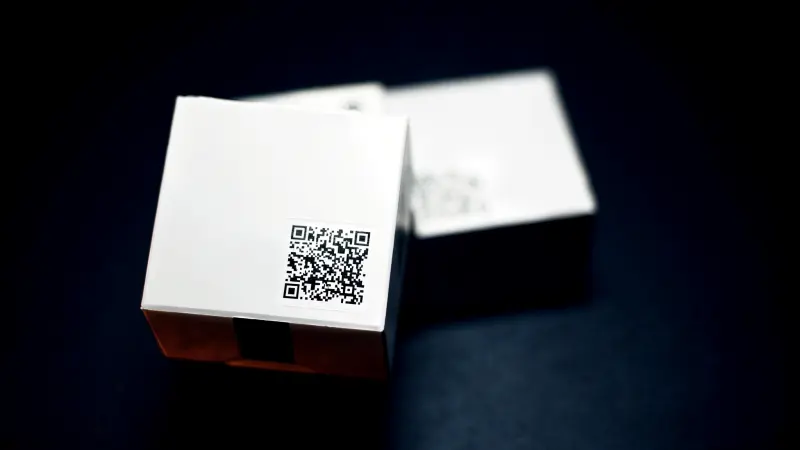
The problem a brand faces rarely stays in one place. On one side there is a product on the shelf that you did not make; on the other there is a listing that uses nothing but your name. Both end in the same result: the buyer believes they bought from you.
The physical front: the product itself
The question here is simple — is this product yours? What answers it is not how the packaging looks, because looks can be copied. It takes a signature embedded in the packaging whose copy cannot pass verification, or a record specific to the individual unit.
- The packaging looks the same but the product inside is different
- A batch produced outside the order at a contract manufacturer
- A counterfeit part brought to a workshop and claimed under warranty
- A shipment that drifts outside its region
The digital front: the brand name
On marketplaces, social media, in advertising, in domain names and in app stores, your brand name can appear without your knowledge. The problem here does not live in a physical product but in a record; it has to be found, documented and removed.
Seeing both fronts in one picture
The two fronts work through different methods but ask the same question. A finding from the field and a listing from a digital channel often lead back to the same source. That is why both belong in the same record: together they say more than either does alone.
We can start by talking about the front that gives your brand the most trouble, and build the measurement from there.
The two fronts do not run with one team
Anti-counterfeiting and traceability work at different rhythms. One reacts to events: a complaint arrives, an investigation opens, a decision is made. The other runs continuously: every batch, every shipment, every scan goes on record. Putting both under one responsibility ends with the continuous work losing out to the urgent work.
The division that works in practice is this: traceability sits inside operations, while anti-counterfeiting sits with quality or legal. Their common ground is the data; both read the same record.
Which one is built first
Traceability is built first, because it produces the record that anti-counterfeiting rests on. In a facility with no records, a counterfeit finding stays limited to a single product; in one with records, the same finding opens up to the batch, the channel and the date.
Anti-counterfeiting goes only as far as the record that traceability produces.