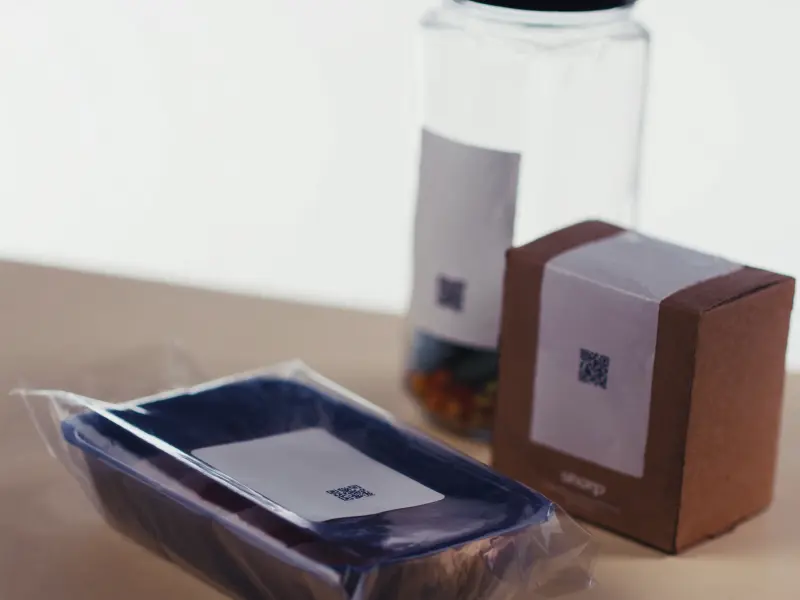
Traceability in industrial equipment.

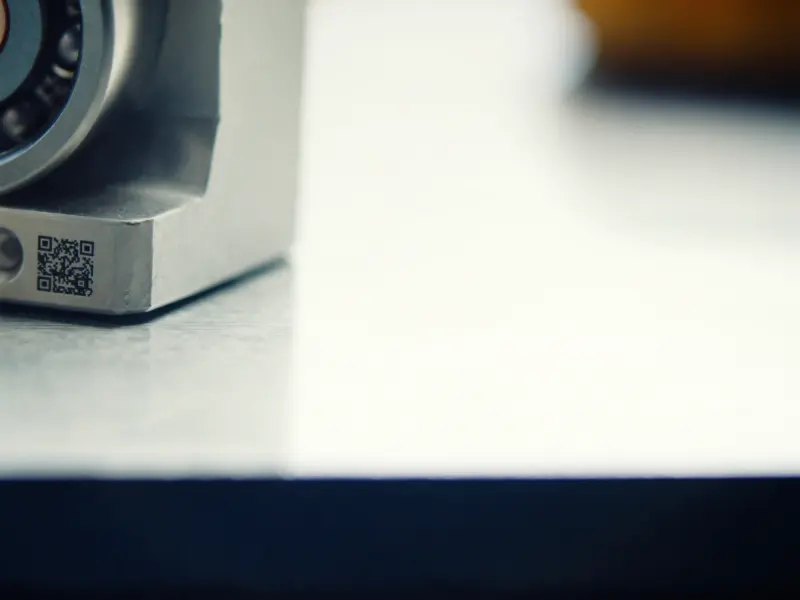
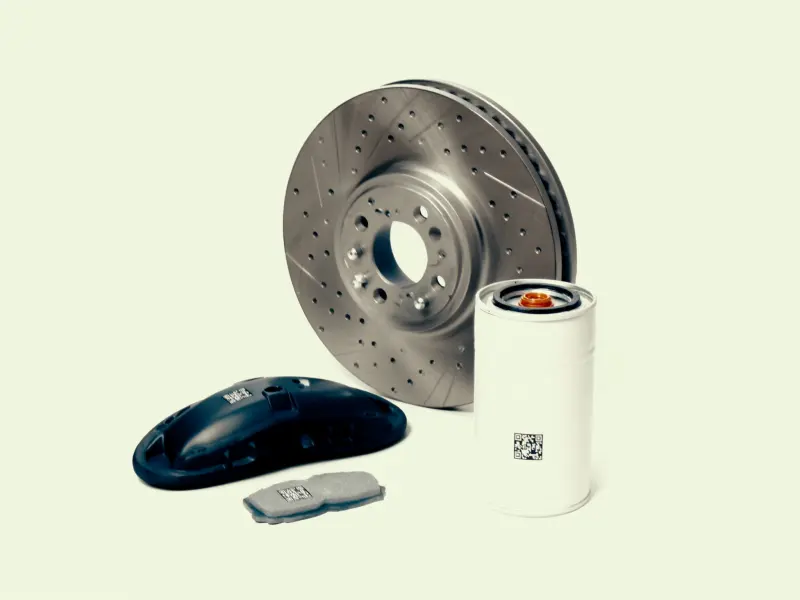
Traceability at serial-number level makes maintenance, warranty and channel management easier.

Industry overview

Why trust matters in industrial equipment.

Industrial equipment consists of products that work in the field for many years: pumps, valves, bearings, seals, filters, control boards and hydraulic components. In these products a counterfeit or out-of-specification part can cause production downtime, workplace accidents and unexpected maintenance costs. Because machines need spare parts and service throughout their lifetime, the counterfeiting risk does not end with the first sale; it continues through the whole maintenance and repair cycle.

In this sector products are often delivered on a project basis, reach different countries through exports and are maintained through field service teams and authorised dealers. Regulations such as the European Union's new machinery regulation and the digital product passport increasingly bring product identity, technical documentation and supply chain information into digital form. That in turn makes it necessary for equipment and critical parts to have a verifiable identity.

Figures

The scale of the counterfeiting risk.

$467 billion

Estimated value of global trade in counterfeit goods in 2021 (2.3% of world imports)

Source: EUIPO and OECD, Mapping Global Trade in Fakes 2025 press release, 2025
$117 billion

Estimated value of counterfeit goods trade into the EU in 2021 (4.7% of EU imports)

Source: EUIPO and OECD, Mapping Global Trade in Fakes 2025 press release, 2025

Risks

Risks faced in industrial equipment.

Every industry has its own risk profile; solutions are configured around those risks.

Out-of-specification critical parts

In bearings, seals and pressurised components, copied parts may resemble the original at first sight but fail to meet strength and tolerance values. Failure of these parts can turn into cascading damage and an occupational safety risk.

Part replacement that cannot be traced in the field

If the origin of a part fitted during maintenance is not on record, determining liability and assessing warranty claims after a failure becomes difficult. For equipment operating at remote sites or abroad, that uncertainty grows further.

Unauthorised sellers and intermediaries

Spare parts can be sold as if original through intermediaries outside the authorised dealer network. The buying company cannot verify at the moment of delivery whether the part really came from the manufacturer's supply chain.

Label and document imitation

Equipment labels, declarations of conformity and user manuals can be copied and presented alongside other products. When it cannot be verified which equipment a document belongs to, a false sense of confidence forms about the product's history and conformity.

Our approach

Brand protection at every layer.

Grafex, Tagvex and Authex can be used together or separately in any industry.

A band of light across the carton reveals the invisible fine pattern inside the print area Grafex Smart packaging An invisible signature is worked into the packaging; a copy cannot pass verification. Grafex sitesi

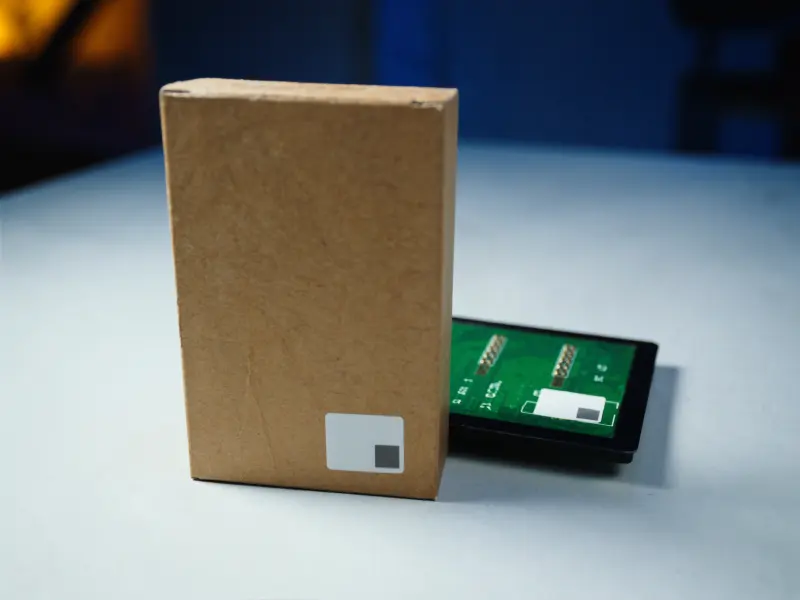
Grafex places an invisible signature into the existing design of equipment and spare-part packaging, labels and printed documents — one whose copy cannot pass verification. Printing happens on the existing line; the look of the packaging and the production line do not change. Purchasing, warehouse or field teams can verify authenticity by scanning the packaging with the mobile app.

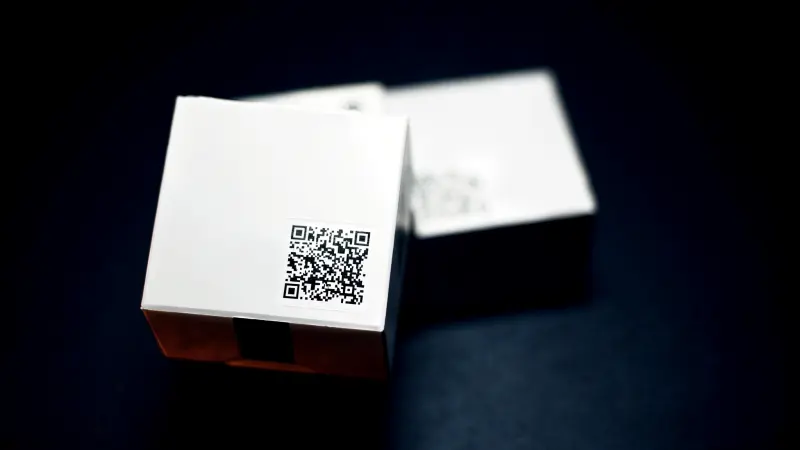
Three identical cartons in a row, each label carrying a different data matrix code Tagvex Secure labels A unique number for every product; every step from production to customer is recorded. Tagvex sitesi

Tagvex assigns equipment and critical spare parts a unique number at unit or batch level and records every change of hands between the end of the line, the warehouse, the dealer and field service. The service technician scans the part to be fitted in the field and checks its record. A copied code shows up through reads at an unexpected point or through repeated reads.

Flagged listings highlighted in a monitored grid Authex Digital monitoring Brand risks in digital channels are detected, prioritised and turned into action with evidence. Authex sitesi

Authex monitors marketplaces, social media, digital advertising, domain names and app stores for sellers using the brand name, product codes and technical images without permission. Findings are documented with date and content, takedown requests are filed and followed until they are resolved; whether removed content reappears is also monitored.

Example scenario

A product’s journey from production to verification.

  1. Numbering at the end of the line

    Hydraulic pumps and spare seal sets are numbered with Tagvex as they leave production; their packaging is printed with a Grafex signature on the existing print line.

  2. Dealer and export delivery

    As products are delivered to the regional dealer or to the distributor abroad, they are scanned with the mobile app at each point and the handover is recorded.

  3. The customer verifies at delivery

    The warehouse supervisor of the company receiving the equipment scans the packaging and label with the mobile app and checks the product's authenticity.

  4. Part replacement in the field

    Years later, the service technician carrying out maintenance scans the seal set to be fitted in the field; a part with no record, or one scanned elsewhere, is examined separately.

Regulation

Regulations that bear on traceability.

The main rules that apply in your industry, or will soon take effect.

EU

Machinery Regulation (EU) 2023/1230

Replacing Machinery Directive 2006/42/EC from 20 January 2027, the regulation requires manufacturers to mark products with a serial number or another element allowing identification. The EU declaration of conformity and the instructions for use may be provided digitally under certain conditions; this makes the link between equipment identity and its documents more important.

Official source
EU

Digital Product Passport (Ecodesign Regulation 2024/1781)

A digital record holding product, component and material information, linked to the physical product through a data carrier such as a QR code. Iron and steel and aluminium are among the first product groups expected to be brought into scope in stages; product-level identity and record infrastructure can support this preparation.

Official source
EU

Battery Regulation (EU) 2023/1542, industrial batteries

From 18 February 2027, every industrial battery with a capacity above 2 kWh will have a battery passport holding information specific to the battery model and to the individual battery. For equipment containing an energy storage unit or battery, a unique product identity can support this preparation.

Official source
TR

Law No. 7223 on Product Safety and Technical Regulations

In force since 12 March 2021, the law covers all products placed on the market; it defines the responsibilities of manufacturers, importers, authorised representatives and distributors separately and requires actors in the supply chain to keep records of whom they bought a product from and whom they sold it to. Chain-of-custody records at part and equipment level can support preparation for these obligations.

Official source

This section is for information only; rely on official sources for current obligations.

FAQ

Questions about industrial equipment

Can our customer's maintenance team also verify?

Yes. Verification is done with the mobile app on a smartphone. The customer's maintenance team, the dealer, field service and auditors can all use the same method; no separate reader device or special authorisation is needed.

Does it ensure compliance with the Machinery Regulation?

No, Spectrace solutions do not on their own ensure compliance with a regulation. Identity and chain-of-custody records kept at product and part level can support a company's own preparation on matters such as product identification and digital documentation.

Which numbering suits critical parts and consumables?

Unit-level numbering may be preferred for safety-critical or high-value parts, and batch-level numbering for high-volume consumables such as seals and filters. The choice is made according to the part's value and the risk its failure would create.

How are records used in failure and warranty investigations?

Tagvex records show which batch a part came from, which dealer or workshop it arrived through and where it was scanned. This information helps establish in a failure investigation whether the part is original and which channel it came from.

Can unauthorised online sellers be monitored?

Yes. Authex monitors marketplaces, social media, digital advertising, domain names and app stores for use of the brand name, product codes and technical images. Each finding is documented with date and content, a takedown request is filed and followed until it is resolved; whether removed content reappears is also monitored.

Request a meeting

The right solution for your product follows from a needs analysis.

In the first meeting we review your product, sales channels and the risks you face, then recommend a verification method that fits.

Request a meeting