Verifiable assurance in jewellery.

In jewellery the certificate and the packaging can be counterfeited as readily as the product itself.

Industry overview

Why trust matters in jewellery.

Jewellery and watches carry high value in a small volume. The purity of gold, the quality of a stone or the movement of a watch cannot easily be judged by eye or in a brief look; the customer usually relies on the seller's statement and the documents accompanying the product. That makes certificates, warranty cards and boxes open to imitation too. Being able to verify the product's identity together with these documents is the basis of trust for both the customer and the point of sale.

The sector's supply chain runs from the mine to the refinery, from the workshop to the wholesaler and on to the retail window; products come back from time to time for maintenance, repair or resale. International rules on the origin of precious stones and metals also make it more meaningful to keep a record of the stages individual products pass through. And with copies of watches and jewellery circulating through small consignments and online listings, digital channels need to be monitored regularly.

Figures

The scale of the counterfeiting risk.

11.5%

Sector sales lost in the EU to counterfeit jewellery and watches (2013-2017 annual average)

Source: EUIPO, 2020 Status Report on IPR Infringement, Tablo 1, 2020
€1.6 billion

Annual direct sales lost by the jewellery and watch sector in the EU (2013-2017 average)

Source: EUIPO, 2020 Status Report on IPR Infringement, Tablo 1, 2020
More than 63%

Share of post and express consignments in seizures of counterfeit watches, bags, leather goods and jewellery

Source: EUIPO, 2020 Status Report on IPR Infringement (citing the OECD-EUIPO small parcels study), 2020

Risks

Risks faced in jewellery.

Every industry has its own risk profile; solutions are configured around those risks.

Copied certificates and cards

A genuine product's certificate or warranty card can be copied and sold together with a counterfeit or lower-purity item. Without a verifiable link between the document and the product, the customer cannot know whether the document in their hand belongs to that product.

Part substitution during maintenance and repair

There is a risk of original parts or stones being replaced during watch servicing or jewellery repair. If the product's entry to and exit from service is not recorded, it becomes hard to determine at which stage a change noticed later took place.

Copies arriving in small parcels

Counterfeit watches and jewellery mostly circulate through post and express consignments in small-quantity parcels. These items can later be offered alongside genuine ones in online listings or at small points of sale.

Metals and stones of unclear origin

Questions about the origin of inputs such as gold and diamonds are becoming steadily more important for customers and business partners. Without a record at product level, it is difficult to trace the care taken in the supply chain through to the finished item.

Our approach

Brand protection at every layer.

Grafex, Tagvex and Authex can be used together or separately in any industry.

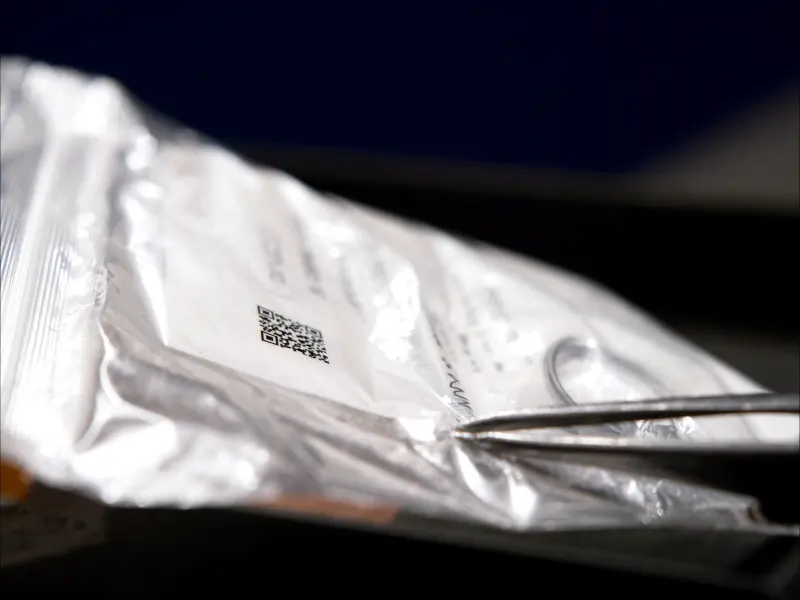
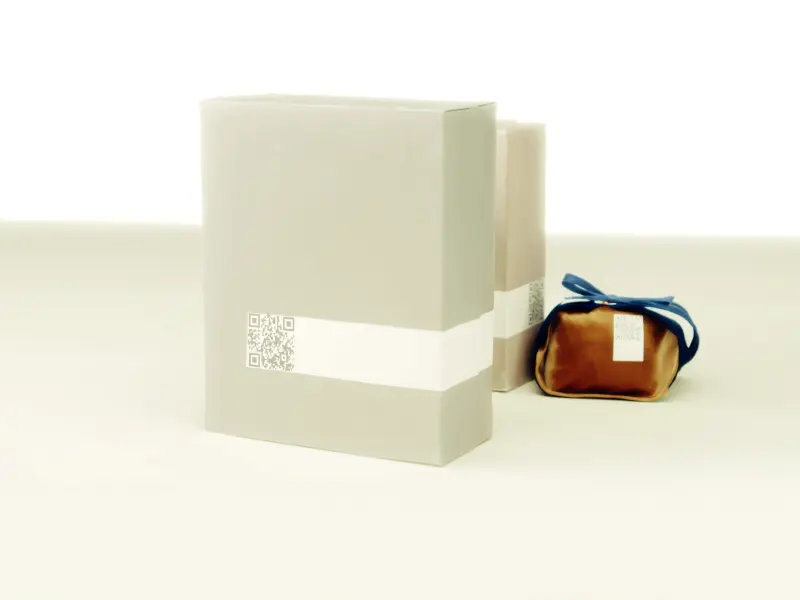
A band of light across the carton reveals the invisible fine pattern inside the print area Grafex Smart packaging An invisible signature is worked into the packaging; a copy cannot pass verification. Grafex sitesi

Grafex places a signature into the design of existing packaging and printed items such as the jewellery box, the watch box, the certificate and the warranty card that is invisible and whose copy cannot pass verification. Printing happens on your existing line and the brand's packaging look does not change. A copied certificate or box therefore separates from the real one when scanned with the mobile app.

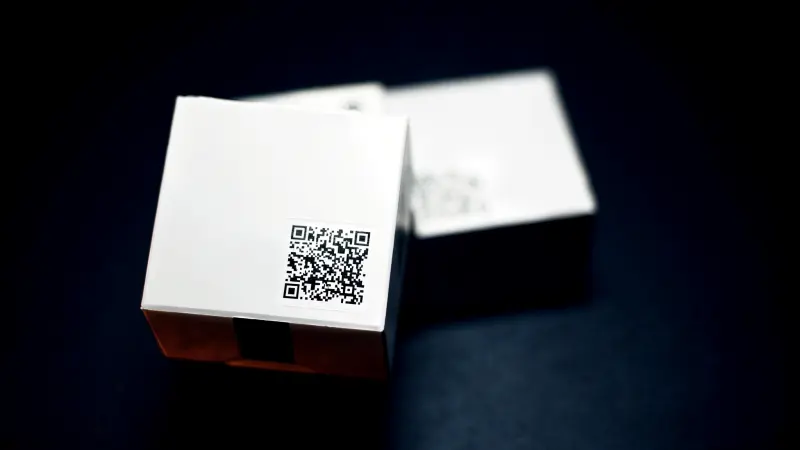
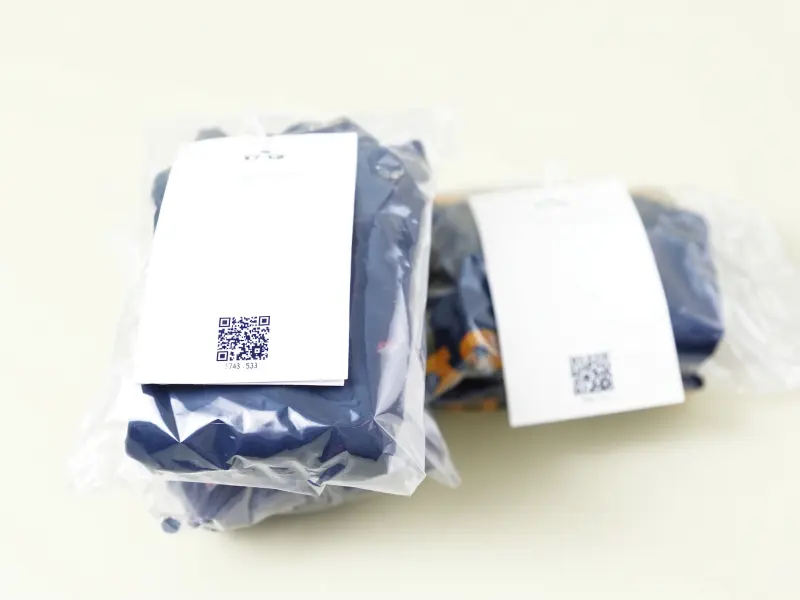
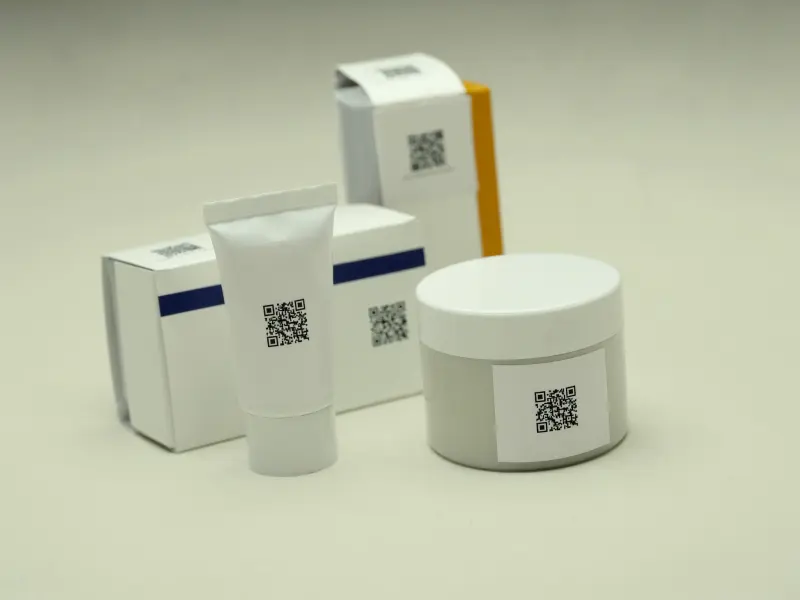
Three identical cartons in a row, each label carrying a different data matrix code Tagvex Secure labels A unique number for every product; every step from production to customer is recorded. Tagvex sitesi

By giving every piece or series a unique number, Tagvex records every change of hands from the workshop to the wholesaler, the window and the service bench. An item brought in for maintenance or repair is scanned at service and its record is checked. A duplicated number comes to light through scans at an unexpected point or repeated scans.

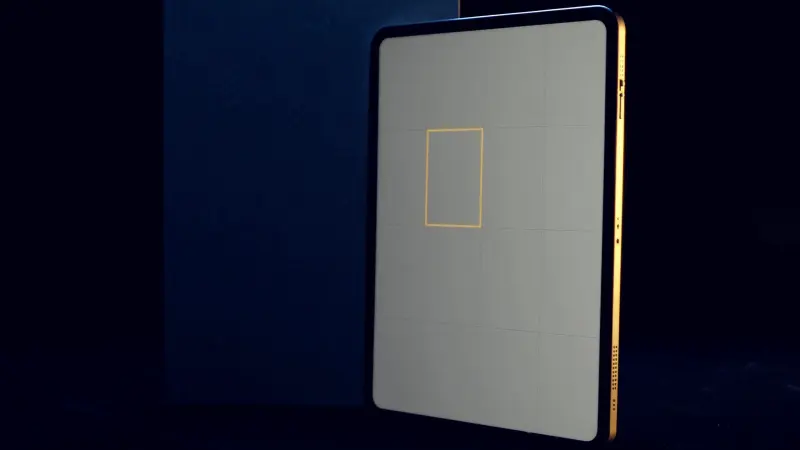
Flagged listings highlighted in a monitored grid Authex Digital monitoring Brand risks in digital channels are detected, prioritised and turned into action with evidence. Authex sitesi

Authex monitors counterfeit listings using the brand's name or product images on marketplaces, social media, digital advertising, domain names and app stores. Detections are documented with their date and content, takedown requests are filed and followed to conclusion; whether removed content reappears is also monitored. That continuity matters particularly against copies of watches and jewellery sold in small consignments.

Example scenario

A product’s journey from production to verification.

  1. Numbering at the workshop

    As a ring leaves the workshop it is given a unique number with Tagvex; its box and certificate are printed with the Grafex signature on your existing line.

  2. Delivery to wholesaler and store

    As the ring is delivered to the wholesaler and then to the retail store, it is scanned with the mobile app at each point and the movement is recorded.

  3. The customer verifies before buying

    The customer scans the box and the certificate with the mobile app on their own phone and checks that the document and the product are genuine.

  4. Service entry and exit records

    Years later, a ring brought in for maintenance is scanned at service; the jeweller checks the record, and the hand-back after the work is recorded the same way.

Regulation

Regulations that bear on traceability.

The main rules that apply in your industry, or will soon take effect.

International

Kimberley Process Certification Scheme

Under the scheme, in force since 2003, every export of rough diamonds is accompanied by a valid certificate confirming the diamonds are conflict-free. Because the scheme focuses on trade in rough diamonds, the later changes of hands of a finished piece of jewellery can be tracked separately through the business's own records.

Official source
EU

Conflict Minerals Regulation (EU) 2017/821

Since 1 January 2021, EU importers of tin, tantalum, tungsten and gold are obliged to run a five-step supply chain due diligence process based on the OECD guidance. Although businesses downstream of the metal stage are not directly in scope, they are expected to report their due diligence processes more transparently.

Official source
TR

Product Safety and Technical Regulations Law No. 7223

In force since 12 March 2021, the law requires actors in the supply chain to keep a record of whom they bought a product from and whom they sold it to, and makes the recall of unsafe products compulsory. Records of changes of hands kept at product level can support preparation for these obligations.

Official source
TR

Protection of intellectual and industrial rights at customs (Customs Law Art. 57)

Rights holders can apply through the Ministry of Trade's electronic system for goods infringing their rights to be detained at customs; where there is clear evidence, the customs administration can detain the goods ex officio for three working days. Having information that identifies the genuine product ready makes assessing suspect consignments easier.

Official source

This section is for information only; rely on official sources for current obligations.

FAQ

Questions about jewellery

Can copying of the certificate be prevented?

The Grafex signature is placed invisibly into the existing design of the certificate and the warranty card; its copy cannot pass verification. A document reprinted by scanning or photocopying does not verify when scanned with the mobile app. That makes it possible to check whether the document really is the one the brand printed.

How is a label used on very small pieces?

Tagvex numbering can be done at unit or batch level. On small pieces where a label cannot be applied directly, the number is associated with the product box or the certificate and verification runs through those items.

Do jewellers and watch services need a separate device?

No. Verification happens with the mobile app on a smartphone. The jeweller, the service technician, the dealer and the customer can all use the same method; no special reader or authorisation is needed.

Does this system keep the records on the origin of the metal or the stone?

No. Kimberley Process certificates and due diligence documents in the gold supply chain run within their own systems. Spectrace solutions record the product's changes of hands after the workshop; linked to the business's existing source documents, these records can help show that care through to the finished item.

Which channels are monitored for counterfeit watch listings?

Authex monitors marketplaces, social media, digital advertising, domain names and app stores. Every detection is documented with its date and content, a takedown request is sent to the relevant platform and followed to conclusion; whether removed content reappears is also monitored.

Request a meeting

The right solution for your product follows from a needs analysis.

In the first meeting we review your product, sales channels and the risks you face, then recommend a verification method that fits.

Request a meeting